
Published On - Jan 19, 2026
Updated On - Jan 19, 2026
4 min
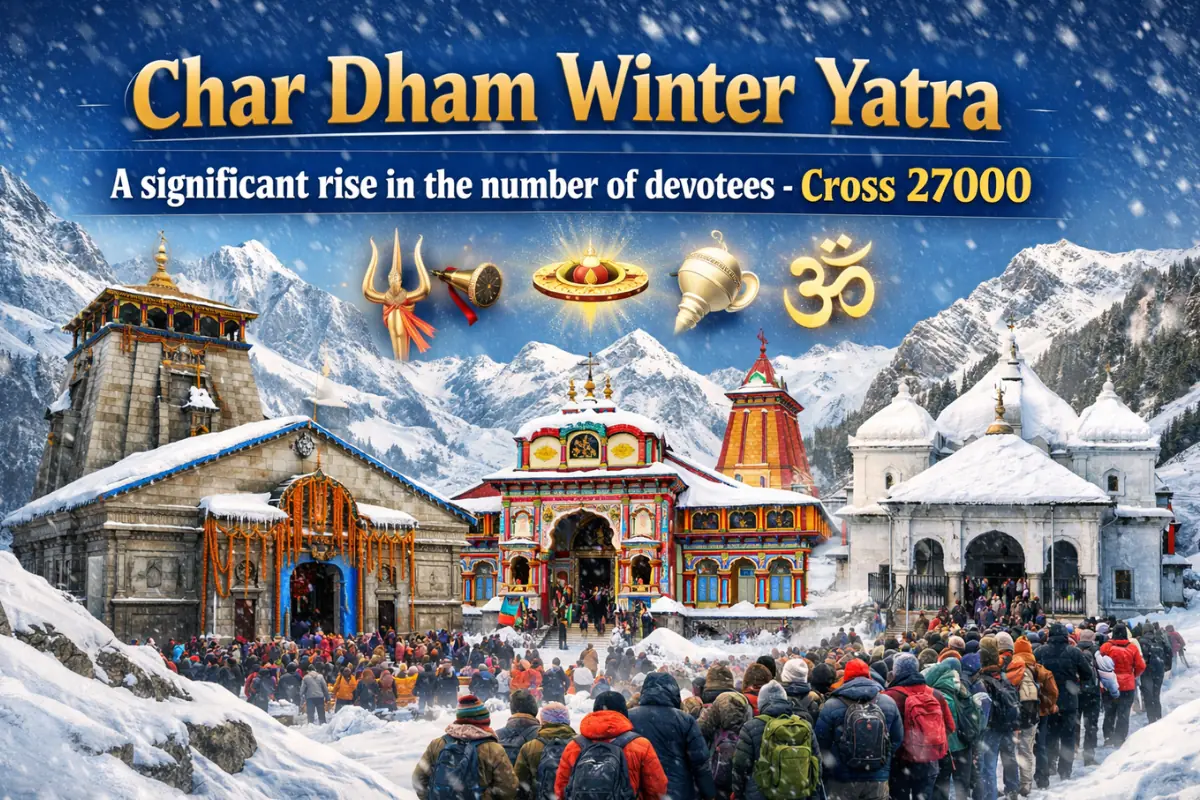
Winter Char Dham Yatra: A significant rise in the number of devotees - cross 27000
Winter Char Dham Yatra is gaining traction as devotees visit the winter abodes of the four shrines, with over 27,000 pilgrims so far and Omkareshwar Temple in Ukhimath leading (17,000).
Winter Char Dham Yatra is gaining traction as devotees visit the winter abodes of the four shrines, with over 27,000 pilgrims so far and Omkareshwar Temple in Ukhimath leading (17,000). This shift maintains continuity of worship during high-altitude closures, offering quieter, more accessible darshan, backed by government promotion and local arrangements. While the winter circuit supports local economies and spreads footfall beyond summer, pilgrims must prepare for severe weather and safety risks. The piece outlines the winter seats for each Dham and explains the practical reasons the main shrines close in winter.
Winter Char Dham is getting Pace
Winter Char Dham is no longer a pause in the spiritual calendar; it is becoming a chosen moment for a vibrant winter chardham journey. If you thought darshan of Chardham yatra only possible in spring-summer, then Uttarakhand is proving you wrong. Even now, when the mountains are cold as freezer ice and winds try to steal your shawl, tens of thousands of devotees are still heading up to the sacred winter seats of Char Dham. Yeah, you read that right --- winter, not summer!
As the high-altitude temples of Char Dham remain closed due to harsh winter conditions, devotion has quietly shifted to their winter abodes. According to the Tourism Department, over 27,000 pilgrims have offered prayers at these winter pilgrimage centres so far, reflecting a growing acceptance of the winter yatra among devotees. In short, winter char dham yatra is drawing big numbers this season.
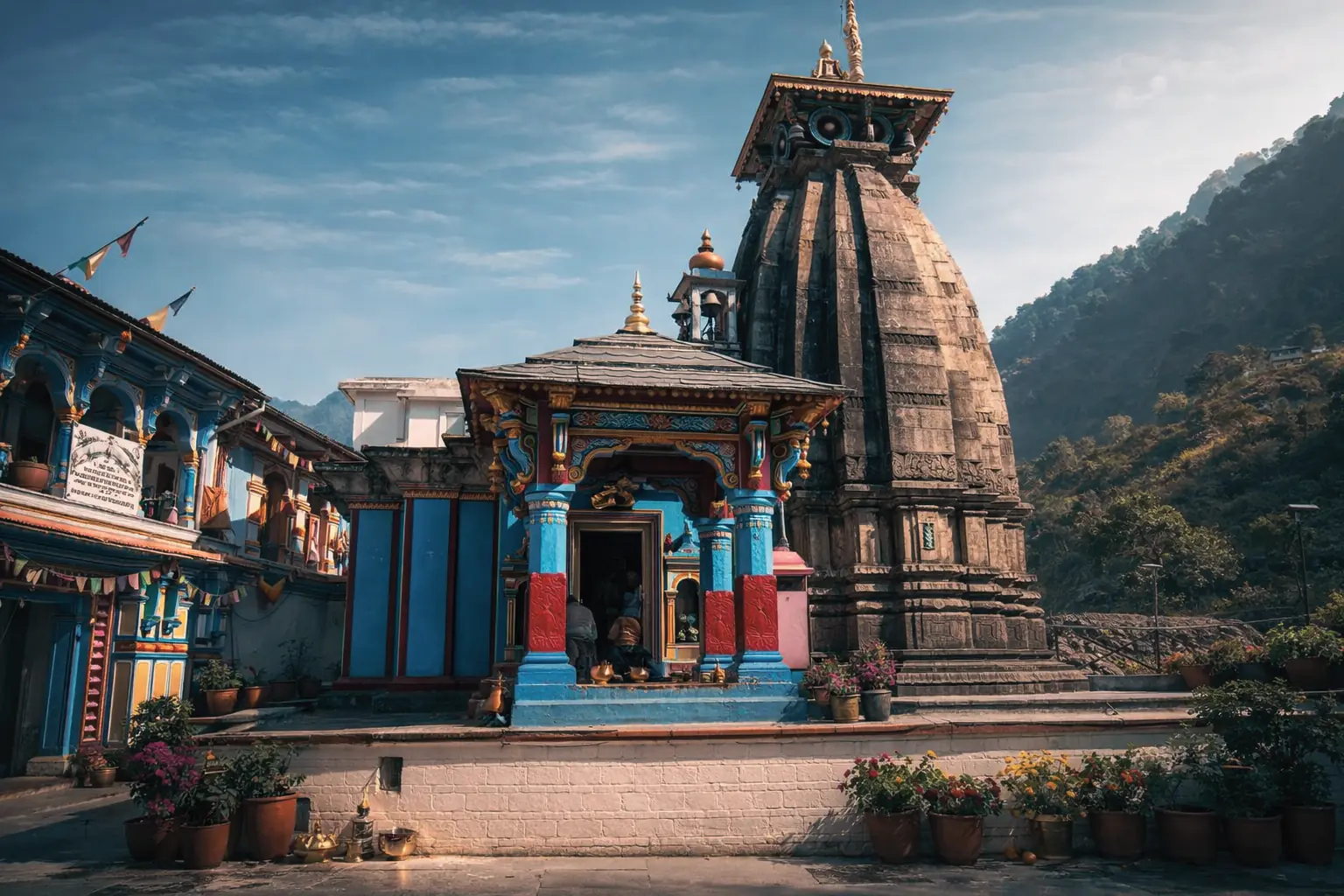
Ukhimath, the winter seat of Baba Kedarnath, has witnessed the highest footfall. More than 17,000 devotees have paid their respects at the Omkareshwar Temple, making it the leading destination this season. The calm surroundings and structured arrangements have added to the appeal of the site during the colder months.
Among all locations, Omkareshwar Temple in Ukhimath, the winter abode of Baba Kedarnath, has emerged as the most visited site. Government data shows that an average of over 500 pilgrims are offering prayers daily at various winter pilgrimage centres.
Local authorities and temple committees confirm an increasing footfall this season. Unlike peak summer yatra crowds, these visitors arrive without noise or rush. Many come with a single intention: darshan without distraction.
The Four Sacred Locations - Winters Seats of Chardham Temples
| Dhams | Winter’s Place |
|---|---|
| Kedarnath Dham | Omkareshwar, Ukhimath |
| Badrinath Dham | Pandukeshwar & Narsingh Temple, Joshimath |
| Yamunotri Dham | Shani Dev Temple, Kharsali |
| Gangotri Dham | Mukhyamath Temple, Mukhaba Village |
Winters Seats of Chardham Temples
Each of the four main shrines has its own designated winter seat:
The deity of Yamunotri moves to the nearby Kharsali Village.
The deity of Gangotri is welcomed into the serene Mukhba Village.
The Kedarnath winter home is the Omkareshwar Temple in Ukhimath.
Badrinath's winter puja takes place at the Narsingh Temple in Joshimath.
So, where exactly do the gods spend their winter? Each deity's journey ends in a specific, accessible village that becomes the hub of spiritual activity. These aren't just temporary shelters but vibrant, historic towns that welcome pilgrims with open arms, offering a more intimate connection to the divine. Learning these four names is your key to unlocking the winter yatra.
Continuity of Worship During Shrine Closures
Winter pilgrimage has gradually gained acceptance, particularly among devotees who cannot travel during the main yatra season due to health, age, or professional responsibilities. For them, winter darshan offers a quieter and less physically demanding option without compromising religious significance.
Why the Himalayan Shrines Take a Winter Break
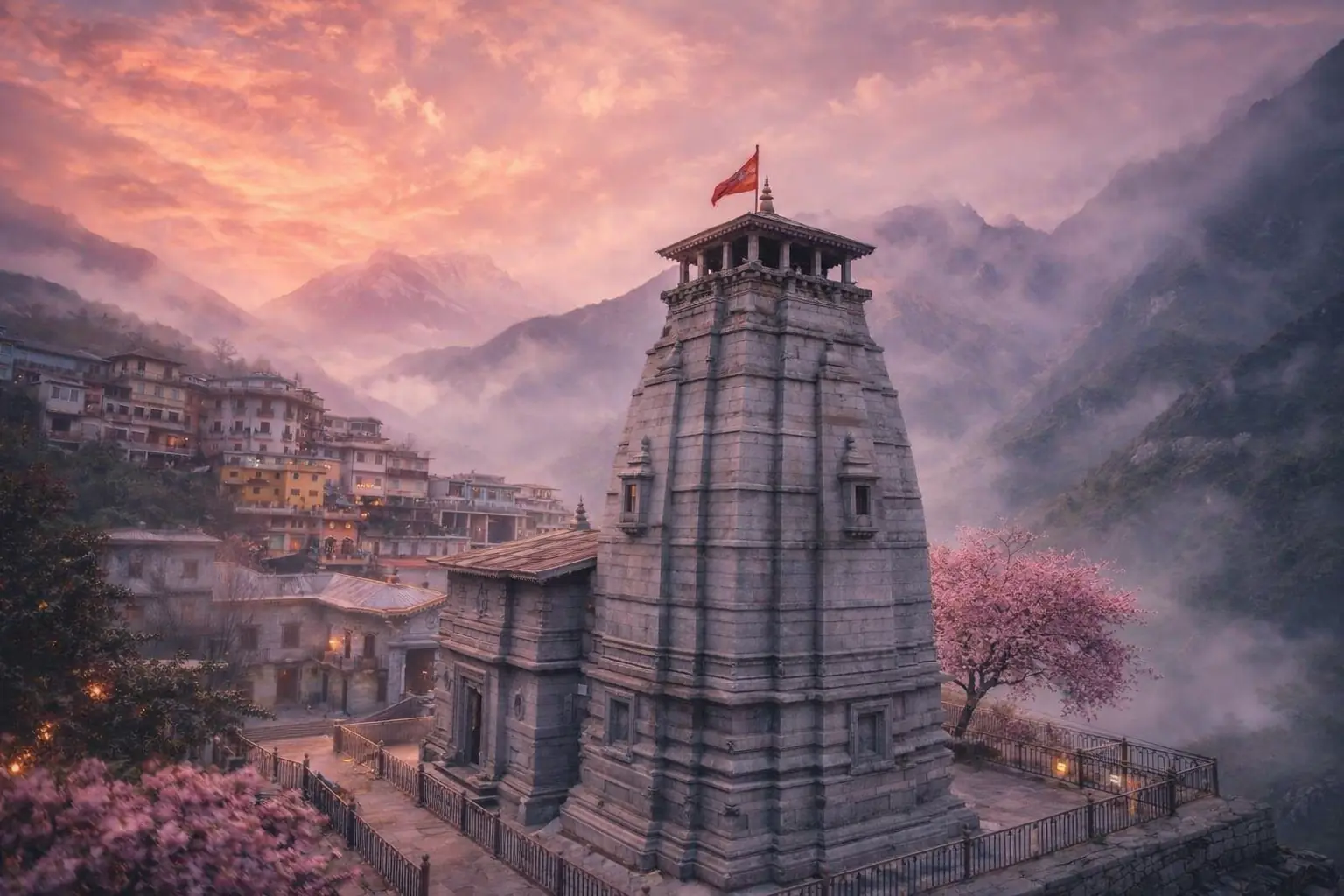
The famous Chardham temples---Yamunotri, Gangotri, Kedarnath, and Badrinath---are perched at altitudes soaring above 10,000 feet. At this height, winter isn't just chilly; it's extreme. From roughly November to April, the entire region is blanketed under several feet of snow, making roads completely impassable and the freezing conditions unsafe for travel. The closure isn't a spiritual decision, but a practical one for safety.
For this reason, the temple doors are ceremoniously locked for about six months each year. It's a necessary pause dictated by the formidable power of the Himalayan winter. But while the high-altitude shrines rest under a thick cover of snow, the pilgrimage itself doesn't come to a complete halt.
Why Are People Still Going in Freezing Weather?
Tradition doesn't take a break --- In winter, the idols aren't up on snowy peaks anymore. They're shifted to places like Omkareshwar Temple in Ukhimath (for Kedarnath) , Pandukeshwar (for Badrinath) , Mukhba (for Gangotri) , and Kharsali (for Yamunotri), so devotees still get their blessings without trekking into the deep snow.
People really, really want that blessings hit --- You'll see folks laughing, hugging grandparents who hardly get out of the house, and youngsters literally slipping on icy paths but still going ahead. That mix of devotion and stubborn human spirit? It's wild.
Govt. is actually pushing the winter circuit, too --- They want these pilgrimages to keep the local economy alive even in off-season. Hotels, taxi drivers, chai wallahs --- winter used to be dead for them. But now, some places are buzzing again.
Summer Crowds vs. Winter Calm: Why Devotees Prefer the Snowy Season
Anyone who has seen pictures of the summer Chardham Yatra knows about the immense crowds. The journey, while spiritually rewarding, can often feel like an endurance test against long queues and packed towns. The winter yatra, however, offers a profoundly different experience as part of this winter pilgrimage. It trades the hustle of the peak season for an atmosphere of deep tranquility, turning a popular pilgrimage into a personal and reflective journey.
Instead of waiting in line for a fleeting glimpse, the winter seats offer the chance for a truly peaceful darshan . Here, you can often sit quietly inside the temple, absorb the serene energy, and connect with the space without feeling rushed. For many, this unhurried connection is the main draw, as the focus shifts from navigating crowds to nurturing the growing faith of devotees. It's an opportunity for introspection that the bustling summer months simply cannot provide.
This sense of calm extends beyond the temple doors. The striking contrast between the Chardham winter vs summer yatra is felt in the hushed mountain air and the snow-dusted landscapes. The entire experience becomes less about trekking and more about immersion---soaking in the quiet beauty of the Himalayas and the warm, welcoming culture of the local villages. It's a spiritual retreat in the truest sense of the word.