
Published On - Oct 27, 2025
Updated On - Oct 27, 2025
4 min
Bajrang Setu: The Glass Bridge of Rishikesh
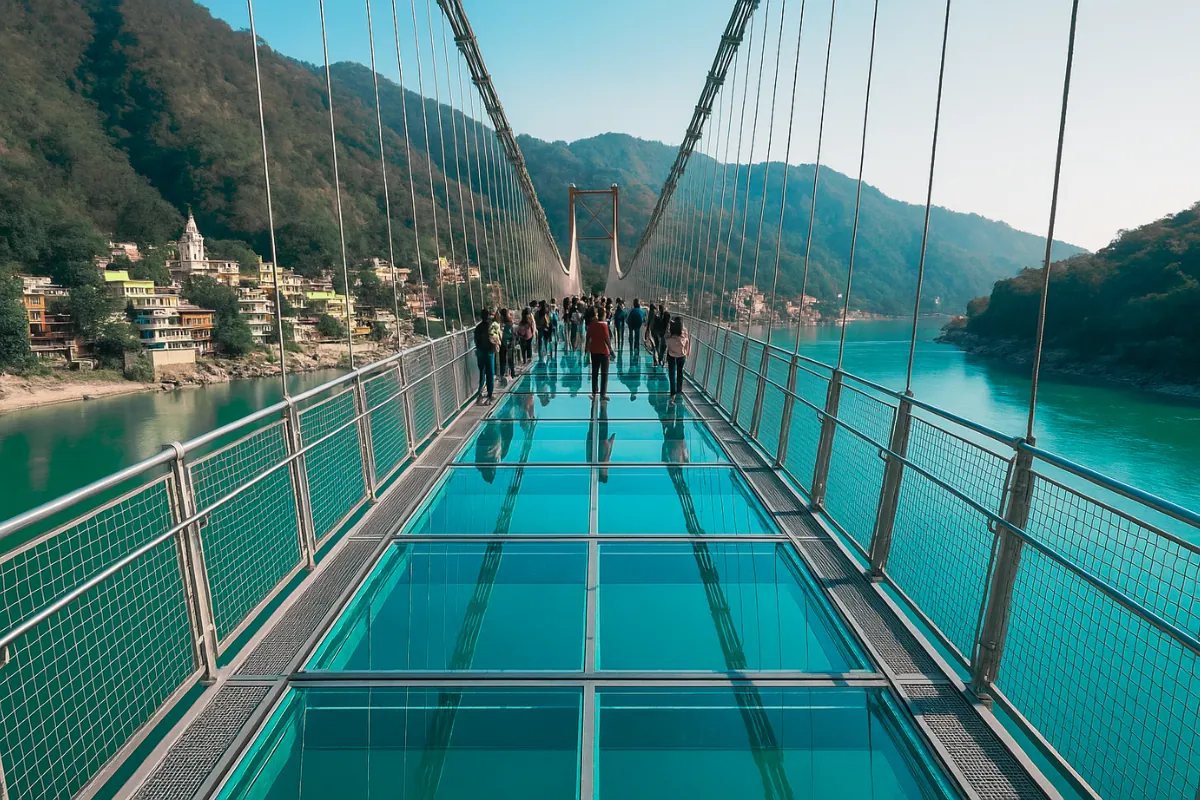
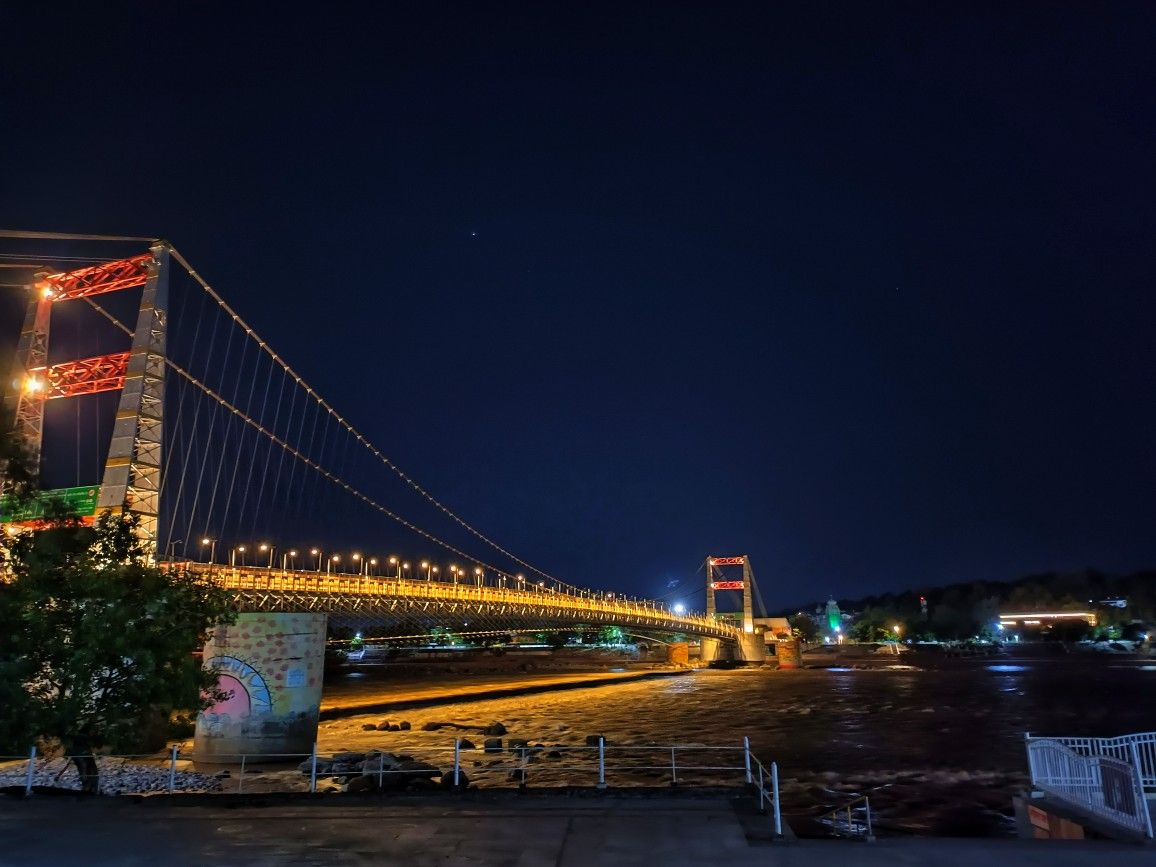
Bajrang Setu is India's first glass suspension bridge, stretching 132 meters long and 8 meters wide. This modern marvel is designed with stunning glass walkways on both sides. Get ready for a whole new way to experience Rishikesh! The all-new Bajrang Setu Glass Bridge is set to replace the century-old Laxman Jhula, bringing a breathtaking blend of thrill, technology, and spiritual charm.
Get ready for a whole new way to experience Rishikesh! The all-new Bajrang Setu Glass Bridge is set to replace the century-old Laxman Jhula, bringing a breathtaking blend of thrill, technology, and spiritual charm. Bajrang Setu is India's first glass suspension bridge, stretching 132 meters long and 8 meters wide, this modern marvel is designed with stunning glass walkways on both sides — giving you a heart-thumping view of the sacred Ganga flowing right below your feet! Built at a cost of around ₹60 crores, it’s not just a bridge — it’s an experience redefining Rishikesh tourism.
What Makes Bajrang Setu So Special
Here’s where it gets really exciting —
The bridge spans 132 meters across the Ganges, with a total width of 8 meters.
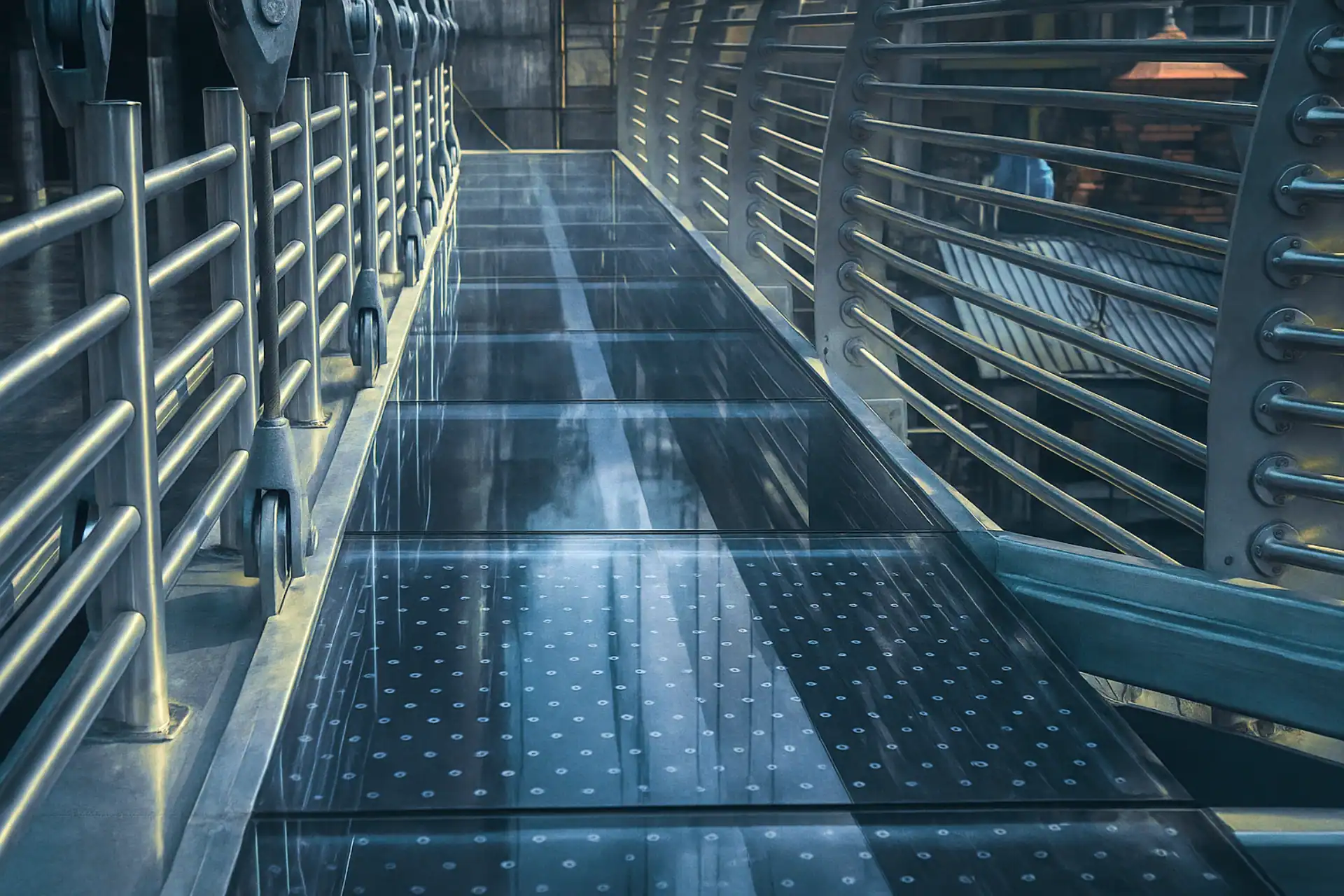
On both sides, you’ll find 1.5-meter-wide glass walkways, made of super-strong, 66mm-thick reinforced glass panels — perfectly safe yet absolutely thrilling.
The central lane is designed for two-wheelers and light traffic, while the glass sections are for pedestrians — giving everyone their own way to enjoy the view.
And the view? Oh, it’s next-level! The Ganga glitters beneath your feet, the Himalayan hills rise around you, and the cool breeze brushes past — pure magic!
The design isn’t just modern — it’s meaningful. Bajrang Setu beautifully blends the spiritual vibe of Rishikesh with the awe of innovation, creating an experience that’s both peaceful and pulse-raising.
Experience the Thrill
Imagine standing above the Ganges on a see-through floor — your heart races, your palms tingle, but your eyes? They can’t look away.
That’s the Bajrang Setu experience — walking on air while soaking in the divine serenity of Rishikesh. For those with a fear of heights, the initial steps might be daunting, but the awe-inspiring views quickly overshadow any apprehensions.
Whether you’re a thrill-seeker looking for that adrenaline rush, a photographer chasing the perfect frame, or a peace lover drawn to the gentle hum of temple bells in the distance, this bridge gives you all of it in one go.
How to Visit the Bajrang Setu Glass Bridge
Location: Near the iconic Laxman Jhula area, Rishikesh
Nearest Airport: Jolly Grant Airport, Dehradun (approx. 21–35 km away)
Connectivity: You can reach easily by car, taxi, or local transport from Rishikesh town center. Rishikesh Taxi Service
Best Time to Visit: Throughout the year except the monsoon. The skies are clear, the air is crisp, and the views are simply unforgettable. Avoid heavy monsoon months when the Ganga flows at its peak.
Why Rishikesh Needed the New Bridge
Let’s face it — Laxman Jhula, as iconic as it is, had begun to show its age. The old structure was no longer safe enough to handle the growing crowds and constant footfall of tourists, pilgrims, and locals. Rishikesh needed a stronger, safer, and more scenic alternative — and Bajrang Setu became that answer.
This project was developed to reduce congestion, ensure pedestrian safety, and add a fresh tourism highlight to Rishikesh’s skyline. And honestly, it’s done all that and more — it has turned crossing the river into an adventure in itself!
Rishikesh and its Vibes
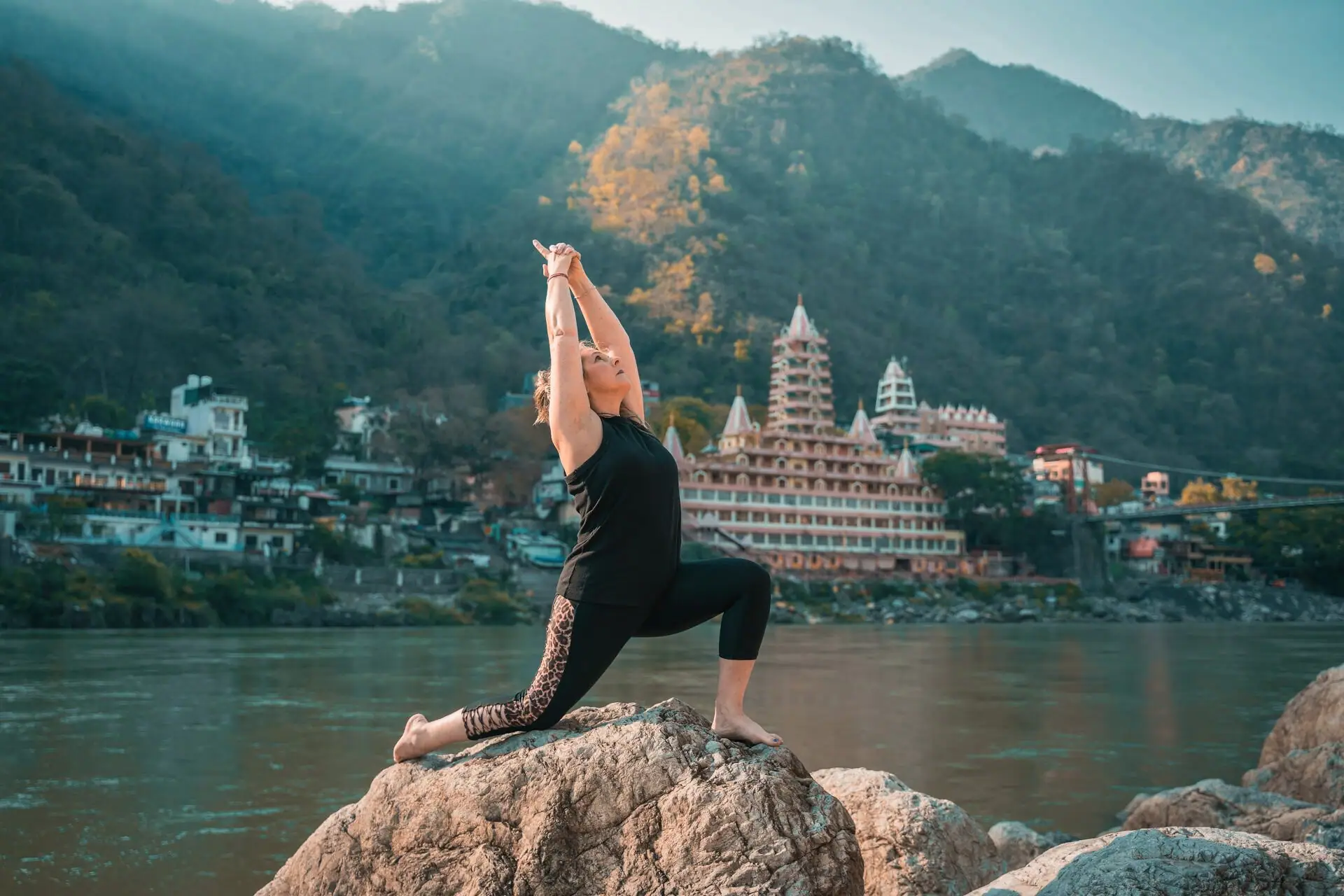
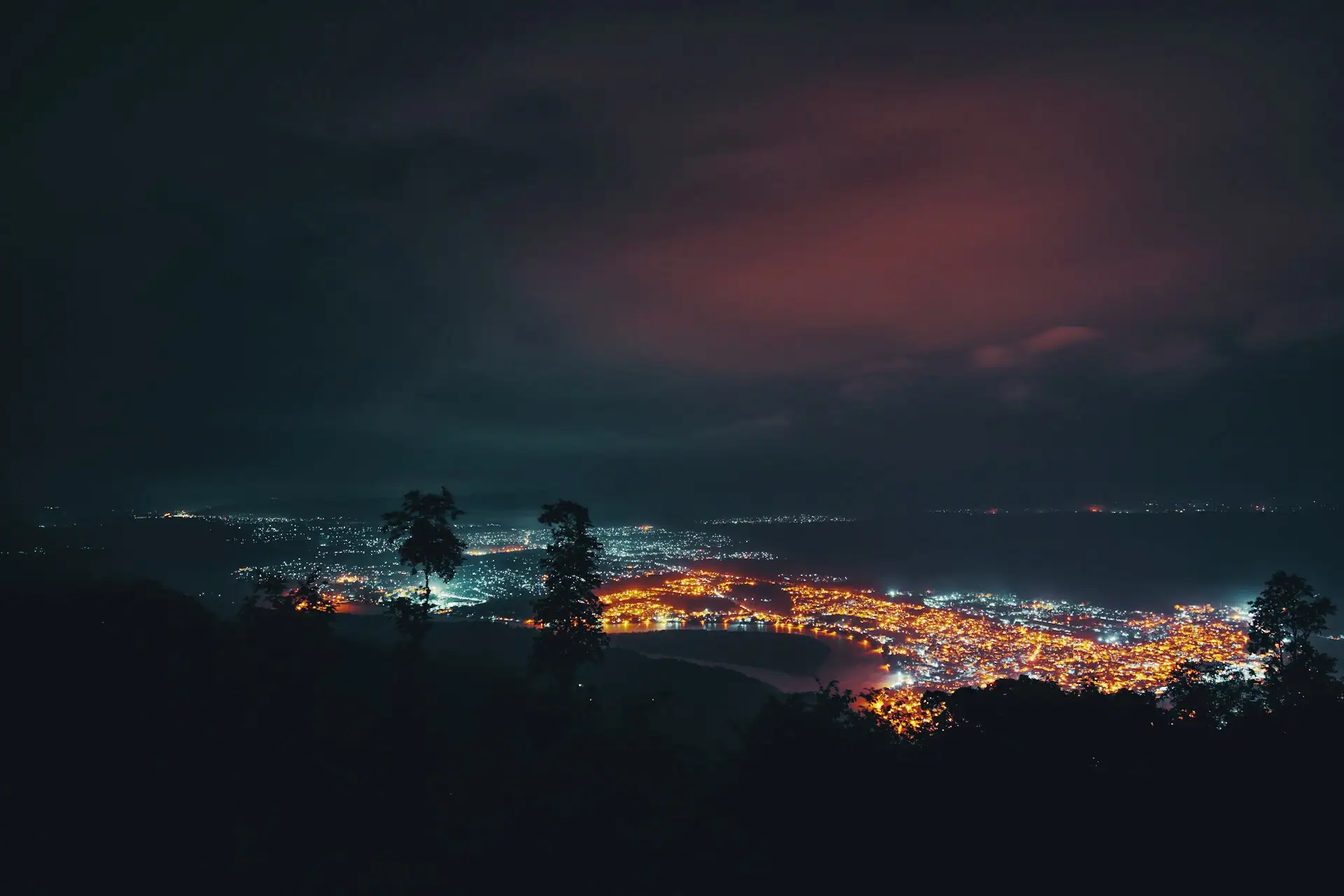
Rishikesh is well known for its peaceful ambiance, yoga, Ganges, ghats, and is a haven for spiritual seekers and adventure enthusiasts alike. Among its many attractions, Ram Jhula and Lakshman Jhula the one of those old bridges that visitors visit. And talking about Riskhiesh, you can’t ignore the bridges that are here from ages. The Bajrang Setu Glass Bridge stands out as a modern marvel, offering breathtaking views and a unique experience for visitors.
This architectural wonder not only enhances the scenic beauty of Rishikesh but also serves as a symbol of modern engineering blended with natural splendor.
Bajrang Setu, also known as the glass bridge of Rishikesh, is a pedestrian bridge that spans the Ganges River. Unlike traditional bridges, this structure features a glass-bottom walkway, allowing visitors to peer directly down into the flowing river below. The bridge stretches over a considerable length, providing ample opportunity for tourists to soak in panoramic views of the surrounding landscape.
Cultural & Social Link - The Bajrang Setu Glass Bridge is more than just a physical connector between two points; it also serves as a cultural and social link. It brings together people from all walks of life, allowing them to share in the wonder and beauty of Rishikesh. The bridge has quickly become a gathering spot for both locals and tourists, fostering a sense of community and shared experience.
An Engineering Marvel - The construction of the Bajrang Setu Glass Bridge is a testament to modern engineering. Built with precision and care, the bridge is designed to withstand the elements and provide a safe yet thrilling experience for all who cross it. The use of durable glass and high-strength materials ensures that visitors can enjoy the bridge without worry.
Planning Your Visit
If you're planning a trip to Rishikesh, adding the Bajrang Setu Glass Bridge to your itinerary is a must. Here's what you need to know to make the most of your visit.
Getting There - Rishikesh is well-connected by road, rail, and air. The nearest airport is the Jolly Grant Airport in Dehradun, approximately 21 kilometers away. From there, you can take a bus or hire a taxi for Rishikesh. The bridge is located near the iconic Laxman Jhula, making it easily accessible from the city center.
Best Time to Visit - The ideal time to visit the Bajrang Setu Glass Bridge is during the cooler months, from October to March. During this period, the weather is pleasant, and the skies are clear, providing the best conditions for enjoying the views. However, the bridge is open year-round, so you can plan a visit at any time that suits you.
Tips for Visitors
Footwear: The bridge has specific guidelines regarding footwear to ensure the glass remains scratch-free. Be prepared to wear protective covers over your shoes or remove them entirely.
Camera: Don't forget your camera or smartphone to capture the stunning views.
Timing: Visit early in the morning or late in the afternoon to avoid crowds and enjoy the bridge at its most peaceful.
Other Attractions in Rishikesh
While the Bajrang Setu Glass Bridge is a must-see, Rishikesh offers a plethora of other attractions worth exploring.
Laxman Jhula, Ram Jhula & Janki Setu - These iconic suspension bridges are landmarks in their own right, offering picturesque views and a slice of Rishikesh's spiritual atmosphere. Walking across these bridges is a quintessential Rishikesh experience.
Adventure Activities - For thrill-seekers, Rishikesh is a paradise of adventure activities, including white-water rafting, bungee jumping, and trekking. The city's diverse landscape provides the perfect backdrop for these adrenaline-pumping experiences.
Ashrams and Yoga Retreats - Rishikesh is home to numerous ashrams and yoga retreats, offering visitors a chance to engage in meditation, yoga, and spiritual growth. The tranquil surroundings make it an ideal location for those seeking inner peace and rejuvenation.