

Abhinav
Writer
Updated On - Oct 30, 2025
10 min
Published On - Oct 13, 2025
Panch Kedar Trek Guide – Temples, Routes, Best Time & Travel Tips
In this guide, I’ll take you through a deeply human, practical, and soul-forward exploration of the Panch Kedar Trek and pilgrimage—what to feel, where to go, how to plan, and how to carry home more than photographs.
Panch Kedar - Complete Trek Guide
Brief History about – Panch Kedar
A Quick View of Panch Kedar
The Best Order and Why It Matters
How To Prepare for Panch Kedar Trek & Journey
Costs for the Panch Kedar Yatra
Culture and Food: What Nourishes You Here
Weather, Safety, and Respect for the Mountains
A Short Human Story - The Shepherd’s Lesson
Choosing Your Approach: Pilgrim, Trekker, Traveler
Important Facts about Panch Kedar
Responsible Travel: Keeping the Sacred, Sacred
Take Your Heartbeat to the Temple
Frequently Asked Questions (Grounded and Honest)
The first bell rang long before sunrise. It slipped through the cold like a silver thread, pulling me awake inside a room smelling faintly of wool, woodsmoke, and camphor. Outside, Kedarnath’s ridgelines were still a dark thought against a deeper sky. I stepped out—the breath went white; my hands went instinctively to my chest; the mountain air made every heartbeat sound larger than life. No one speaks much before aarti in the Himalaya. You simply walk behind your breath and let the silence walk ahead of you. This is where the story of the Panch Kedar begins for most travelers—not in a temple, but in the valley of your own listening.
Panch Kedar - Complete Trek Guide
The first bell rang long before sunrise. It slipped through the cold like a silver thread, pulling me awake inside a room smelling faintly of wool, woodsmoke, and camphor. Outside, Kedarnath’s ridgelines were still a dark thought against a deeper sky. I stepped out—the breath went white; my hands went instinctively to my chest; the mountain air made every heartbeat sound larger than life. No one speaks much before aarti in the Himalaya. You simply walk behind your breath and let the silence walk ahead of you. This is where the story of the Panch Kedar begins for most travelers—not in a temple, but in the valley of your own listening.
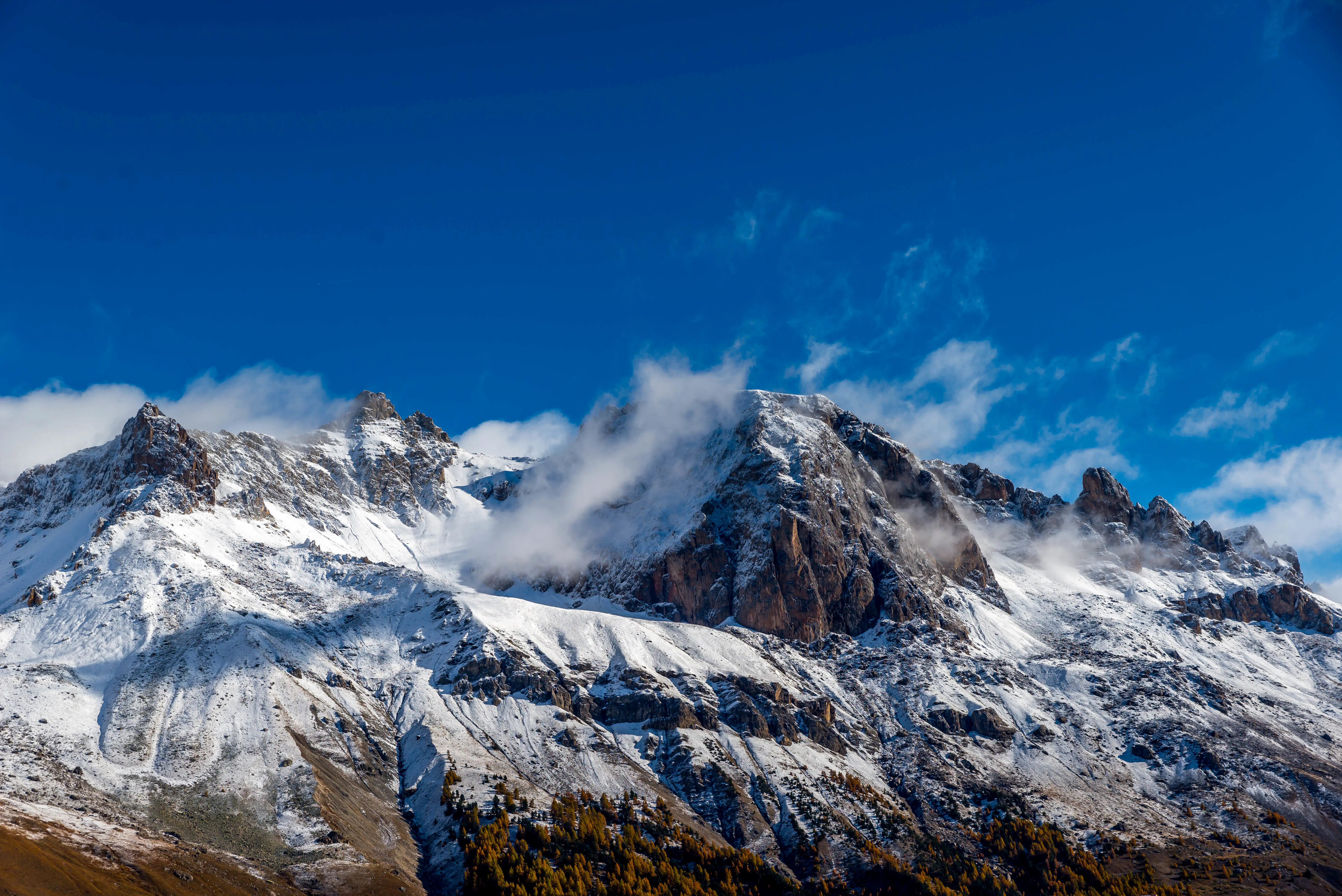
Two hours after that first bell, a sky full of cairn-gray clouds broke open to a bright, impossible blue. Somewhere a conch shell sang, its sound rounding the corners of rock and time. For a moment, it felt like the mountains themselves were praying, and we were only echoes. That’s the Himalaya for you—always turning your gaze inward even while your eyes are fixed on the summits.
In this guide, I’ll take you through a deeply human, practical, and soul-forward exploration of the Panch Kedar Trek and pilgrimage—what to feel, where to go, how to plan, and how to carry home more than photographs.
Brief History about – Panch Kedar
The legend says that after the Kurukshetra war, the Pandavas sought forgiveness from Lord Shiva for the sin of fratricide. But Shiva, grief-stricken and elusive, took the form of a bull and disappeared into the earth, reappearing in five places across the Garhwal Himalaya. At Kedarnath, the hump; at Tungnath, the arms; at Rudranath, the face; at Madhyamaheshwar, the navel; at Kalpeshwar, the matted locks. Together they form the Panch Kedar yatra—not just a route on a map, but a route through remorse, courage, surrender, and, ultimately, grace. Walk it as a pilgrim, ride it as a traveler, log it as a trekker—whichever you are, this journey will meet you exactly there.
1. The Panch Kedar
If you listen closely, each of the five shrines has its own voice.
- Kedarnath speaks in thunder and endurance. The stone here is ancient, the steps are many, and the sky has a way of arriving all at once. You earn your darshan breath by breath.
- Tungnath is a soft hymn sung on a ridge. The trail is short, the heart goes quiet, and Chandrashila—if you climb—spreads dawn like saffron over snow and pine.
- Rudranath is a forest prayer, the kind you whisper so as not to wake the moss. Meadows, ridgelines, and long silences. A temple not on the way, but at the end of a thought.
- Madhyamaheshwar is a courtyard of warmth. You’ll find old wooden houses, sloping roofs, and laughter that sounds like brass bells. The navel of Shiva—the center that holds when other things don’t.
- Kalpeshwar is intimacy. A small cave-temple, close to the earth, close to breath, open through the year. A place to sit and learn the art of not asking.
Together, these shrines make a circle that is more than the sum of its paths. That circle is the promise of the Panch Kedar yatra—that you’ll return with the dust of five temples on your feet and one new room in your heart.
A Quick View of Panch Kedar
A quick-reference snapshot to anchor your planning.
| Temple | Form of Shiva | Approx. Altitude | Access/Trail | Distance (one way) | Difficulty | Best Months |
|---|---|---|---|---|---|---|
| Kedarnath | Hump (back) | ~3,583 m | Gaurikund → paved pilgrim route; pony/doli/helicopter options | 16–18 km | Moderate–Challenging | May–Jun, Sep–Oct |
| Tungnath | Arms | ~3,680 m | Chopta → stone path to temple; optional Chandrashila summit | 3.5–4 km | Easy–Moderate | Apr–Jun, Sep–Nov |
| Rudranath | Face | ~3,600 m | Sagar/Luiti/Sitel trailheads; forest/meadow trek | 18–22 km (varies) | Moderate–Challenging | Jun–Oct |
| Madhyamaheshwar | Navel | ~3,289 m | Ransi/Gondar → stepped trail via villages | 16–18 km | Moderate | May–Jun, Sep–Nov |
| Kalpeshwar | Jata (locks) | ~2,200 m | Helang → Urgam valley → short walk | ~1–2 km | Easy | Year-round (avoid peak monsoon) |
A Quick View of Panch Kedar
1. Routes, Distance & Best time for Panch Kedar Yatra
Most travelers enter Garhwal through Dehradun (Jolly Grant Airport) or Haridwar/Rishikesh (rail and road). From there, mountain roads radiate like prayer flags toward different valleys.
- Common entry points:
- Dehradun → Rishikesh (by road, ~1 hr 30 min to 2 hrs)
- Rishikesh → Srinagar → Rudraprayag → Guptkashi/Sonprayag (Kedarnath axis)
- Rishikesh → Kund → Ukhimath → Chopta (Tungnath axis)
- Rishikesh → Chamoli/Joshimath → Helang → Urgam (Kalpeshwar axis)
- Rishikesh → Gopeshwar → Sagar/Luiti/Sitel (Rudranath axis)
- Rishikesh → Ukhimath → Ransi (Madhyamaheshwar axis)
- Best windows to plan your circuit:
- Late spring to early summer (May–June): stable weather, flowering meadows, snow patches on high trails.
- Post-monsoon (September–November): crystal skies, sharp mountain views, cold nights, but reliable days.
- Acclimatization and pacing:
- Even if you’re fit, give Day 1 to reach the hills and sleep at a moderate altitude (Guptkashi/Ukhimath/Chopta).
- Hydrate steadily; go “slow to go far.” The Panch Kedar trek is about consistency, not speed.
2. First Kedar - Kedarnath
The pathway from Gaurikund starts like a promise and then turns into one slow, long conversation with your legs. You cross ponies jingling their little brass songs, pass stalls selling rain capes and parathas, and share the road with strangers who keep becoming less strange. If you listen, you’ll notice the tempo—first chatter, then effort, then quiet. At some point, perhaps after Rambara, you will look up and see the temple shouldering the sky. And that’s when it happens: the world goes wider and your worries go small.
Practical notes:
- Start early (before 6 am) for gentler sun and steadier crowds.
- Ponchos are worth their weight if the weather turns.
- Stay at Kedarnath overnight if possible—the evening aarti under a sky of stars is the spiritual heartbeat of the Panch Kedar yatra.
What to feel:
- The stillness before the doors open.
- The warmth of prasad in your cold hands.
The gratitude of arrival—more earned than given.
3. Second Kedar - Tungnath (with Chandrashila)
The path begins among rhododendron and ends in the lap of the sky. The trail is stone-stepped, the rhythm steady, the views open early and keep expanding. Tungnath, the highest Shiva temple accessible by a short walk, feels familiar the moment you see it—like a memory your feet remembered before your mind did. If you have the breath for it, continue up to Chandrashila for sunrise. The world unfolds in bands—ink blue, then rose, then gold—and for a breathless minute you wear the dawn like a shawl.
Practical notes:
- From Chopta, start pre-dawn if aiming for Chandrashila sunrise.
- Carry a windproof layer; it can get gusty above the temple.
- Microspikes help if there’s patchy snow.
What to feel:
- The kindness of the stone path—never too steep for too long.
- The chorus of peaks at dawn, each a different shade of silence.
4. Rudranath: The Forest Remembers
Rudranath is not a temple you “drop by.” It’s a pilgrimage in the old sense—long, quiet, textured with forests that feel like libraries. You pass bugyals (meadows) that look like green oceans and ridges that move your inner weather from cloudy to clear. By the time you see the stone shrine sitting humbly inside its amphitheater of land, your steps have lost their hurry. Sunset here is not a spectacle—it’s a lesson in how to end the day.
Practical notes:
- Multiple trailheads: Sagar is common; Luiti/Sitel routes can be wilder and more beautiful, but require guidance.
- Expect a full day of trekking with steady climbs and descents; consider breaking with a camp or dhaba halt.
- Monsoon makes trails slippery; post-monsoon is exquisite.
What to feel:
- Moss is as old as stories.
- The sensation of being kept, lightly, by the land.
5. Madhyamaheshwar: The Warmth that Holds
There’s a smile in the air on the way to Madhyamaheshwar. You pass through villages with wooden balconies and mustard fields, share water at little roadside taps, and wave to kids who wave back like sunrise. The final approach is a string of breath-work and laughter. The temple courtyard glows in late light; the smaller shrine above—Buda/Madmaheshwar top—gives a balcony view of your own day. If Kedarnath asks for endurance, Madhyamaheshwar offers belonging.
Practical notes:
- Ransi is the usual trailhead; the path undulates but is well-trodden.
- Accommodation in simple lodges and dharamshalas; carry cash.
- The sunrise hike to Buda Madmaheshwar is a must if your legs agree.
What to feel:
- The human fabric of the Panch Kedar trek—conversations, chai, shared benches.
- The gentle center that returns you to yourself.
6. Kalpeshwar: Sit, Breathe, Stay a While
Kalpeshwar is where the pace stops pretending. You step into Urgam valley (a tucked-away wonder) and find terraced fields like green steps to a gentler heaven. The cave-temple is small, quiet, and eternally open for darshan. Spend time here—sit by the stream, listen to the village speak in its unhurried grammar. If the Panch Kedar yatra is an arc, Kalpeshwar is the resting point on the far side of awe.
Practical notes:
- Helang is the road junction; Urgam road can be narrow—hire local drivers if unsure.
- Open year-round; off-season offers solitude.
- Combine with Joshimath/Auli exit for a satisfying finale.
What to feel:
- The sweetness of enough.
- The blessing of unasked prayers.
The Best Order and Why It Matters
Many pilgrims prefer the classical sequence—Kedarnath → Tungnath → Rudranath → Madhyamaheshwar → Kalpeshwar. This order makes narrative and geographic sense. Kedarnath tests you; Tungnath lightens you; Rudranath deepens you; Madhyamaheshwar warms you; Kalpeshwar settles you. For modular travelers, you can break it into two legs: Kedarnath–Tungnath, and Rudranath–Madhyamaheshwar–Kalpeshwar. Either way, the circuit becomes a personal liturgy: you bring your questions to one shrine and leave with a different set for the next.
Advantages of this sequence:
Minimizes major backtracking across valleys.
Ramps intensity sensibly (longest first, gentlest last).
Aligns with seasonal closures (Kalpeshwar helps when higher temples shut early or late).
| Day | Route | Notes |
|---|---|---|
| 1. | Arrive Dehradun/Haridwar → Rishikesh → Guptkashi | Ease in; check gear; hydrate; early sleep |
| 2. | Guptkashi → Sonprayag/Gaurikund → Trek to Kedarnath | Start early; steady climb; overnight at Kedarnath |
| 3. | Kedarnath sunrise aarti → descend to Gaurikund → drive to Chopta | Keep knees happy; poles help |
| 4. | Chopta → Trek Tungnath (and Chandrashila) → return Chopta | Dawn start if chasing sunrise |
| 5. | Chopta → Gopeshwar → Sagar (or Luiti) | Transition day; light stretch walk |
| 6. | Trek to Rudranath | Long but rewarding; dusk darshan is special |
| 7. | Rudranath → descend to trailhead → drive to Ransi | Sleep well; prepare for next climb |
| 8. | Trek to Madhyamaheshwar | Evening aarti; feel the courtyard warmth |
| 9. | Sunrise hike to Buda Madmaheshwar → descend to Ransi → drive to Urgam | Slow, scenic transfers |
| 10. | Kalpeshwar darshan → exit Helang → Joshimath/Dehradun | Carry home the quiet |
Panch Kedar Itinerary you can Follow
Flex options:
Add a rest day between Rudranath and Madhyamaheshwar if your knees ask nicely.
If time-crunched, do a 6-day sampler: Kedarnath, Tungnath/Chandrashila, Kalpeshwar.
How To Prepare for Panch Kedar Trek & Journey
1. Body
- Four weeks out: 30–45 mins of walking/jogging five days a week.
- Add stair climbs with a daypack twice a week; mobility work after.
- Practice with trekking poles; they save joints and add rhythm.
2. Mind
- Expect changes: weather, transport timing, plans.
- Keep a flexible day in your schedule; unpredictability is part of the Panch Kedar yatra.
- Decide your pace mantra—“slow is smooth, smooth is fast.”
3. Backpack essentials
- Layers: base (thermal), mid (fleece), shell (wind/rain)
- Footwear: broken-in trekking shoes; spare socks; blister kit
- Navigation: offline maps; power bank; headlamp
- Health: ORS, personal meds, altitude-safe pain reliever, band-aids, sunblock, lip balm
- Comfort: light shawl for temples, soft cap/beanie, gloves
- Temple offerings: simple flowers/leaves, small sweets (avoid plastic)
- Cash: small notes; ATMs can be sparse
- Document pouch: ID, permits if any, emergency contacts
Costs for the Panch Kedar Yatra
1. Typical budget (per person, mid-range, 10 days)
- Transport (shared/pooled): moderate
- Stays (basic lodges/dharamshalas/homestays): budget to mid
- Food (vegetarian, simple, consistent): budget
- Ponies/dolis/helicopter (optional at Kedarnath): variable
- Local guides/porters (recommended for Rudranath routes): moderate
2. What to expect from accommodation
- Clean rooms, shared bathrooms in some places
- Hot water often bucketed; ask in advance
- Heaters rare at high stops; carry warm layers
- Hospitality is the luxury—conversations, fire-warmth, ginger tea
3. Booking tips
- Kedarnath peak season fills up—reserve if you can
- Rudranath/Madhyamaheshwar stays often sorted on arrival via locals
- Kalpeshwar/URGAM: homestays are gems; call ahead if traveling off-season
Culture and Food: What Nourishes You Here
1. Food that travels well and comforts
- Aloo paratha, dal-chawal, rajma-chawal, kadi, rotis, sabzi of the day
- Pahadi staples: mandua (finger millet) roti, dubuk, jhangora kheer
- Chai that tastes like it remembers your childhood
2. Etiquette that matters
- Ask before photographing people; temples: follow dress and silence codes
- Remove shoes where required; keep offerings simple, biodegradable
- Support local—homestays, guides, small eateries; your money circulates kindness here
3. Festivals and temple rhythm
- Peak seasons hum with yatris; shoulder season is quieter
- Evening aarti is everything—arrive early, switch off your phone, switch on your presence
Weather, Safety, and Respect for the Mountains
1. Weather realities
- Mornings are your safest bet; afternoons can gather storms quickly
- Monsoon (Jul–Aug): leeches, landslides, slippery trails—go prepared or choose other windows
- Post-monsoon: glorious skies; evenings can be near-freezing at higher shrines
2. Trail sense
- Use poles; keep a steady cadence; hydrate even when not thirsty
- Respect altitude—headache, nausea, dizziness: slow down, rest, descend if needed
- Pair up for Rudranath trails; fog can drop suddenly
3. Leave no trace
- Carry out what you carry in; refuse plastic water bottles—use refills
- Stay on marked paths; meadows heal slower than we imagine
- Sound is a kind of litter—keep it low
A Short Human Story - The Shepherd’s Lesson
On the Tungnath trail, just below the temple, I met an elderly shepherd walking lighter than his years. He carried nothing but a stick polished by time and a small cloth bag that held his lunch and, I suspect, a history of prayers. We fell into pace. After a while, seeing me slow, he smiled and said, “Mandir tak bas dhadkanlekejao—just take your heartbeat to the temple.” Not your best performance, not your finest strength—just your alive-ness. We reached. He bowed, pressed his forehead to the stone. When he rose, he didn’t ask for anything. He simply stood, as if listening to a story being told to him by the mountain. If there’s a single sentence to carry into the Panch Kedar yatra, it might be his.
Choosing Your Approach: Pilgrim, Trekker, Traveler
1. Pilgrim’s path
- Focus on darshan and aarti timings
- Use ponies/dolis at Kedarnath if needed; prioritize presence over pace
- Keep offerings simple; carry shawl and socks for temple time
2. Trekker’s arc
- Treat the Panch Kedar trek as a multi-stage route
- Aim for sunrise/sunset windows at Tungnath, Rudranath meadows, Buda Madmaheshwar
- Enjoy side hikes: Chandrashila; bugyal detours; village loops
3. Traveler’s weave
- Add Rishikesh (yoga/river), Auli (views), Joshimath (gateway), Ukhimath (quiet charm)
- Craft pauses for culture, food, and conversations
- Curate stories—ask elders about snow years, temple openings, and old road days
Important Facts about Panch Kedar
| Temple | What's Unique | Good-to-know |
|---|---|---|
| Kedarnath | Most iconic of the five; ancient stone temple under high peaks | Weather swings fast; evenings are magical; book stays in season |
| Tungnath | Highest Shiva temple with a short, scenic trail | Add Chandrashila if possible; start early for sunrise |
| Rudranath | Temple in the embrace of meadows and forest | Long approach; hire local guidance; carry layers for sudden chill |
| Madhyamaheshwar | Warm village vibe; Buda Madmaheshwar viewpoint | Simple stays; cash-based economy; sunrise hike is worth it |
| Kalpeshwar | Cave-temple open year-round; intimate darshan | Gentle access; add Urgam valley walks; respect temple quiet |
Important Facts about Panch Kedar
1. The Inner Map: What This Journey Teaches
You’ll leave with a different gait. Maybe you’ll find that you measure days not in hours but in aartis and sunsets. Maybe you’ll speak more softly because you learned that sound travels far on cold air. Maybe you’ll discover a new way to ask for things—less asking, more listening. The Panch Kedar yatra is a teacher that doesn’t raise its voice; the lessons arrive as lightly as snow on wind.
- What lingers:
- The sound of your poles clicking in steady time.
- The way tea tastes after a long climb—as if invented for that exact moment.
- The look in the eyes of the temple pujari when you finally arrive—recognition, not surprise.
Responsible Travel: Keeping the Sacred, Sacred
Carry reusables: bottle, mug, tiffin if you can
Eat local, seasonal, simple; waste less; compost where possible
Respect temple codes—modest attire, phones away, clean footprints
Tip fairly; pay on time; recommend good stays to others
Share the path—give way to porters and ponies; greet with a smile
The Shiva temples Uttarakhand Panch Kedar stand because countless hands, known and unknown, keep them standing—priests, porters, stall-keepers, road crews, weather watchers, people who light lamps before you wake. Leave some gratitude behind. It travels in both directions.
Take Your Heartbeat to the Temple
You’re ready. Not because your backpack is perfect or your cardio is a poem. You’re ready because you’re willing to walk—across bridges that swing, through villages that wave, under skies that sometimes forget to be blue. The mountains do not ask for mastery; they ask for sincerity. Bring your breath, your curiosity, your quiet. The rest is given.
When you come home from the Panch Kedar trek, you’ll notice something odd: city noise will no longer fill your head like it used to. There will be a temple-shaped silence inside you that refuses to be crowded out. Protect it. Visit it often.
Frequently Asked Questions (Grounded and Honest)
1. Is it too hard for first-timers?
No, if you pace well. Kedarnath and Rudranath are the longer hauls; break them with rest and early starts. The circuit overall is moderate—fitness helps more than heroics.
2. Can I do a short version?
Yes. A 4–5 day sampler: Kedarnath, Tungnath/Chandrashila, Kalpeshwar. You’ll taste the breadth of the Panch Kedar trek without the longest legs.
3. What about families and elders?
Absolutely. Use ponies/dolis for Kedarnath; choose Kalpeshwar and Tungnath for shorter walks; keep one rest day between long transfers.
4. When exactly to go?
May–June for bloom and bustle; Sep–Nov for clarity and calm. Kalpeshwar remains a forgiving option year-round.
5. Do I need permits?
Pilgrim routes typically don’t require special trekking permits; carry government ID, register where required, and follow local advisories.
6. Can I get network?
Patchy. Assume offline in higher sections; download maps; inform family of black-out days in advance.
7. What about altitude sickness?
Rare at Tungnath/Kalpeshwar; possible at Kedarnath/Rudranath if you rush. Hydrate, ascend slowly, and listen to your body.